9 Things to Know About Color Game Dice in the Philippines
Color Game Dice: The Short Answer
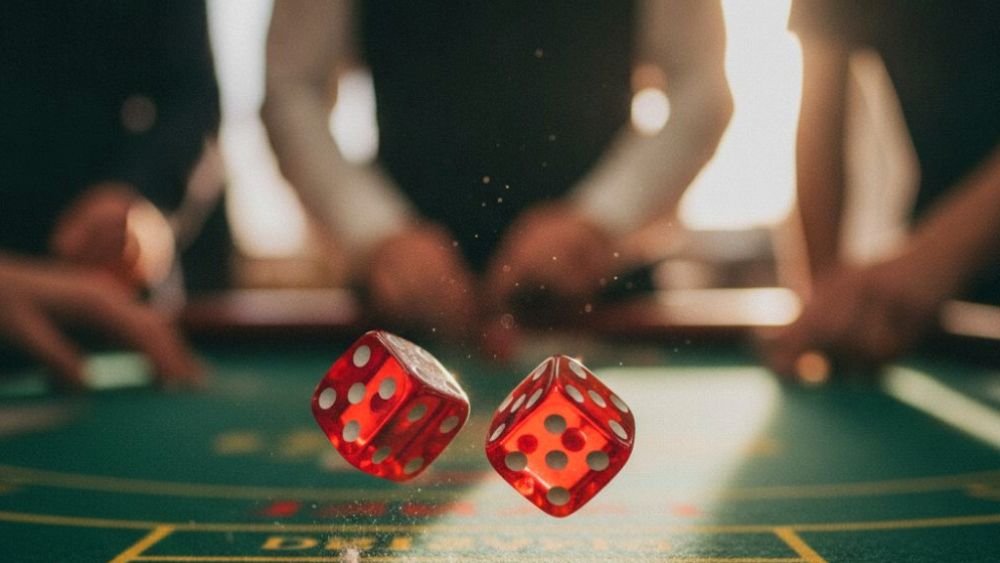
Color game dice is a three-die betting game where you wager on which colours will appear after the dice are rolled inside a covered glass dome or cage. On a standard Philippine color game layout, each die face is assigned one of six colours, and you can back a single colour, a combination of two or three, or a specific permutation. Payouts range from 1:1 on a single colour up to 6:1 on a three-colour combination, and the entire round is usually resolved in under a minute.
That is the whole game in one paragraph. What follows is the part most players only learn after their first hundred rounds: the payout table is not evenly priced, the true probability of each bet type is fixed and knowable, and the difference between the two is exactly where the operator earns its margin. Below are nine concrete things to understand before you put money on the felt in 2026.
1. How the Six Colours Map to the Dice
A standard color game die carries six colours, one per face: red, green, blue, yellow, white, and pink. Three such dice are used, which gives 216 possible outcomes (6 × 6 × 6). Every bet on the layout resolves against those 216 equally likely results.
Land-based tables in Philippine gaming halls and the online live-dealer versions use the same mapping, so any strategy you work out on paper transfers directly to the screen. The dealer rolls, the dome lifts, and the three top faces decide the round. There is no skill element — the dice are symmetrical and each face has a 1-in-6 chance per die.
2. The Real Payout Table and What It Costs You
Here is the standard schedule you will see on most color game layouts in 2026, alongside the true probability and the house edge each bet carries:
- Single colour: pays 1:1. True probability 42.13% (at least one of three dice shows your colour). House edge roughly 7.9%.
- Two-colour combination: pays 3:1. True probability 26.85%. House edge around 7.4%.
- Three-colour combination: pays 6:1. True probability 14.35%. House edge about 7.1%.
- Exact specific colour on one designated die: pays 5:1 in some houses. True probability 16.67%. House edge 6.7%.
Note the pattern: the more specific the bet, the smaller the operator's cut. That is the opposite of what most casual players assume. The single-colour bet feels safest because it wins most often, but it is also the most expensive per peso staked. If you are playing purely for entertainment, that is fine. If you are trying to stretch a bankroll, the three-colour combination is the better-priced wager even though it loses more often.
3. Why "It Hit Red Four Times" Means Nothing
Every round of color game dice is independent. The dice have no memory, and the dome does not care what happened thirty seconds ago. A sequence of red, red, red, red does not make green "due." The probability of red appearing on the next roll is exactly the same as it was on the first: 42.13% for at least one red across three dice.
This matters because the most common bankroll killer in color game is the Martingale-style chase — doubling after every loss on a single colour. With a 7.9% house edge and a table maximum typically capped at 100x the minimum bet, a run of six or seven losses (which happens regularly at 57.87% per-round loss probability on a single colour) will hit the ceiling and strand you with a large unrecoverable position.
4. A Smarter Betting Structure for a Session
Set a session bankroll and treat it as spent money. A workable structure for a ₱5,000 session:
- Divide the bankroll into 50 units of ₱100.
- Stake 1 unit per round on a three-colour combination of your choice, keeping the same combination for the entire session.
- Hard stop at 20 units lost or 30 units won, whichever comes first.
- Never increase unit size mid-session, regardless of results.
At 1 unit per round and roughly 60 rounds per hour in a live-dealer environment, an expected loss of about 7.1% on turnover works out to a little under ₱430 per hour of play. That is the realistic cost of the entertainment. Anyone promising a color game system that beats the edge is selling something.
5. Where Color Game Dice Is Legal and Licensed
Online color game in the Philippines is offered under licences issued by the Philippine Amusement and Gaming Corporation (PAGCOR). Reputable operators carry a PAGCOR offshore gaming licence or a recognised equivalent from a jurisdiction such as Curaçao, and display the licence number in the site footer. A typical Curaçao e-gaming master licence number runs in the 8048/JAZ or 1668/JAZ series — check that the number on the page matches the one in the regulator's public register.
For deposit and withdrawal specifics on the platforms that run color game tables: minimum deposits usually sit at ₱100 to ₱200, GCash and Maya cash-ins clear instantly, and withdrawals are processed within 15 minutes to 2 hours for verified accounts. First-deposit bonuses on these sites typically run 100% up to ₱5,000 with a 25x wagering requirement on the bonus amount, and color game rounds usually contribute 100% toward that turnover. Read the contribution table before you accept a bonus — some operators exclude live-dealer games entirely.
6. VIP Tiers and What They Actually Unlock
Most Philippine-facing sites structure their loyalty programme across five to seven tiers. A typical ladder looks like this: Bronze on sign-up, Silver at ₱50,000 lifetime turnover, Gold at ₱250,000, Platinum at ₱1,000,000, and Diamond at ₱5,000,000 or by invitation.
The meaningful differences appear at Gold and above: weekly cashback of 0.5% to 1.5% on net losses, faster withdrawal queues (often under 30 minutes), higher per-round table limits, and a dedicated account manager. Below Gold, the perks are mostly cosmetic — free spins on slots you may not play and birthday bonuses with wagering attached. If color game is your main game, ask support directly what the cashback rate is on live-dealer turnover at each tier before you commit volume to a site.
7. Live Dealer vs. RNG Color Game
Two versions exist. The live-dealer version streams a physical dome and dice from a studio, usually operated out of Manila or Pampanga, with a real dealer and a 20-to-40-second betting window. The RNG version uses a certified random number generator that simulates the same 216-outcome model.
Both should produce the same long-run results. The practical differences are pace and atmosphere: live tables run roughly 55 to 65 rounds per hour, while RNG color game can run 80 or more, which accelerates your exposure to the house edge. If you want a slower bleed and a more social experience, pick live. If you are playing a short session for fun, RNG is fine — just size your bets knowing the rounds come faster.
8. Three Habits That Separate Disciplined Players
The players who last in color game dice are not luckier. They do three things consistently:
- They fix their unit size before the first roll and never let a losing streak move it.
- They log sessions — start time, bankroll, rounds played, end result. A simple notes app is enough. After ten sessions the pattern is obvious.
- They cash out at a target. A 30-unit win target on a 50-unit bankroll has a real chance of being hit before ruin, and locking it in removes the temptation to give it back.
The house edge is fixed. Your exposure to it is not. Rounds played is the only variable you actually control.
9. Before You Sit Down
Confirm the licence, confirm the payout table on the specific table you are joining (variations exist — some layouts pay 5:1 on a single colour instead of 1:1 for a designated-die bet), confirm the table minimum and maximum, and confirm the withdrawal terms if you are playing with a bonus. Set your session limit in pesos, not in units, so the number is concrete. Then play the game for what it is: a fast, well-defined bet with a known cost per hour. Do that, and color game dice stays entertainment rather than a leak.
Frequently Asked Questions
What is color game dice and how do you win?
Color game dice is a three-die game where you bet on which colours appear on the top faces. You win when your chosen colour or combination shows up. Each die face is one of six colours, giving 216 possible outcomes. Payouts run from 1:1 on a single colour to 6:1 on a three-colour combination.
What is the house edge in color game?
It sits between roughly 6.7% and 7.9% depending on the bet type. Single-colour bets carry the highest edge at about 7.9%, while three-colour combinations carry about 7.1%. The more specific the bet, the better the price.
Is color game legal in the Philippines?
Online color game is offered by operators holding PAGCOR licences or recognised offshore licences such as Curaçao e-gaming. Check that the licence number is displayed in the site footer and matches the regulator's public register before depositing.
Can a betting system beat color game dice?
No. Each round is independent and the probabilities are fixed, so no staking pattern changes the house edge. Martingale-style doubling frequently hits the table maximum and leaves large unrecoverable positions.